A planning application to change the use of Howards House in Cardington into a specialist education school is still live, but faces serious obstacles following responses from council officers.
The scheme, which proposes converting the historic Grade II* listed building into an independent special educational needs (SEND) school, has now drawn formal objections from highways officers and strong warnings from conservation specialists.
While the application has not been withdrawn or refused, officers are clear that it cannot be approved in its current form.
Highways: “Not acceptable as submitted”
The most significant concerns come from highways officers, who have issued a formal objection to the scheme.
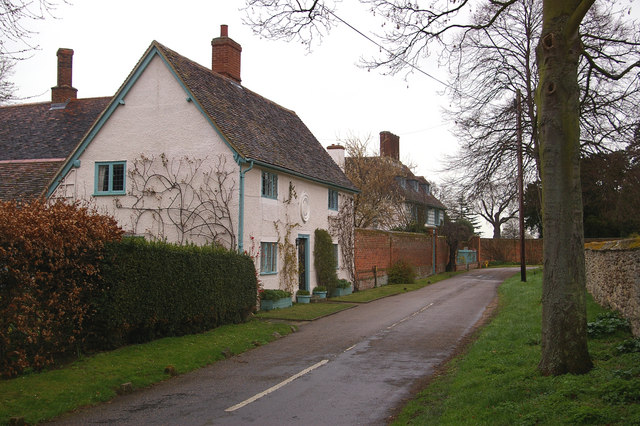
Their comments focus on safety and access. Howards House is currently reached by a narrow, single-track lane with no passing places and limited room for vehicles to turn. Officers say this would be unsuitable for the level of traffic expected from a school, including taxis, parent drop-off, staff vehicles and emergency access.
In particular, they raise concerns about:
- vehicles queuing back towards Bedford Road
- cars being forced to reverse along the lane
- unsafe conditions at peak arrival and pick-up times
Highways officers conclude that resolving these issues would require fundamental redesign, not minor adjustments, and have stated they cannot support the application as it stands.
Heritage concerns carry heavy weight
Conservation officers have taken a more measured but still cautious view.
Howards House is a Grade II* listed building, meaning it is recognised nationally as being of more than special interest. Officers say the proposed changes would cause a low level of “less than substantial harm” to the building and its setting.
This includes:
- internal changes to historic rooms
- alterations to original doors for fire safety
- the visual impact of increased parking
- potential changes to the historic access lane
While none of these issues on their own are seen as extreme, officers emphasise that even limited harm to a building of this importance must be taken very seriously. Under national planning rules, such harm can only be allowed if it is clearly outweighed by strong public benefits.
At present, officers say that case has not been convincingly made, particularly given that the building has historically been used as a private residence and its conversion has not been shown to be essential for its long-term survival.
Still live – but in trouble
The application remains under consideration and could, in theory, be revised by the applicant.
However, officers have made it clear that success would depend on a complete rethink of how the site is accessed and used, alongside a much stronger justification for the proposed change of use. Even then, the constraints of the site mean approval would be far from guaranteed.
Ward councillor seeks clarity
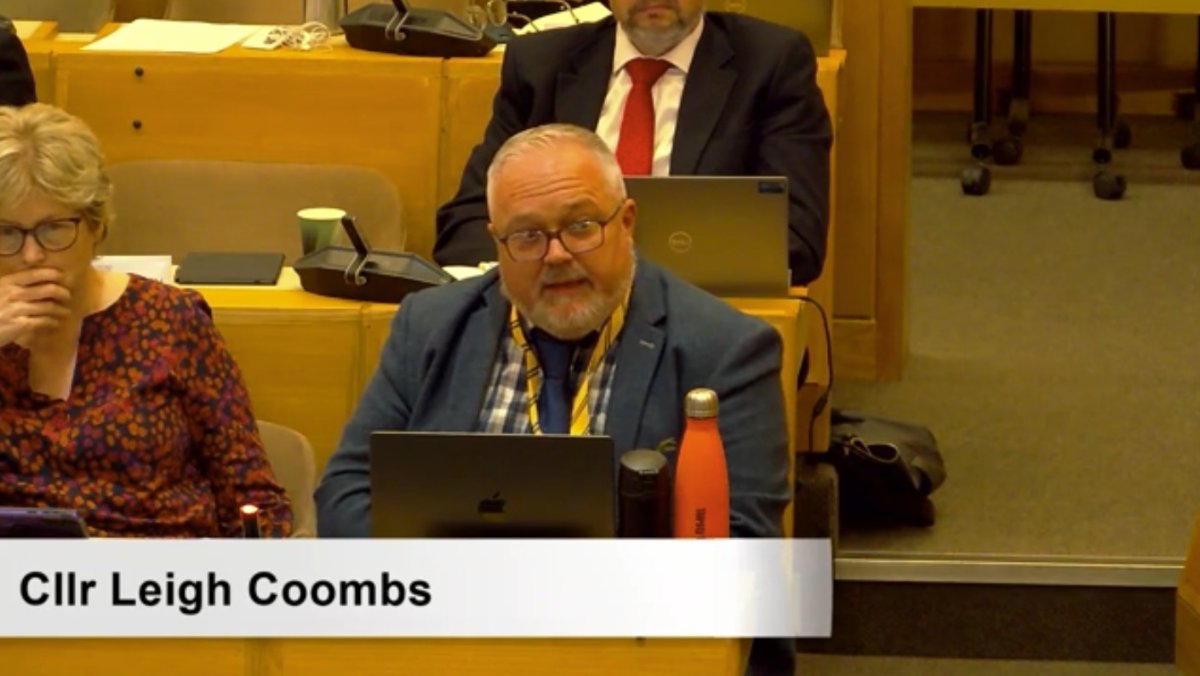
Shortstown ward councillor Leigh Coombs has requested a meeting with the planning case officer to better understand the issues raised and how the application may progress.
Speaking about the situation, he said his view was that the application, while still live, “is not in a position to be approved as submitted” and that residents and the Parish Council would continue to be kept informed as discussions continue.
Residents can track the application via Bedford Borough Council’s planning portal, and further updates will be shared as soon as more clarity emerges.